What Are Website Management Solutions for PBNs?
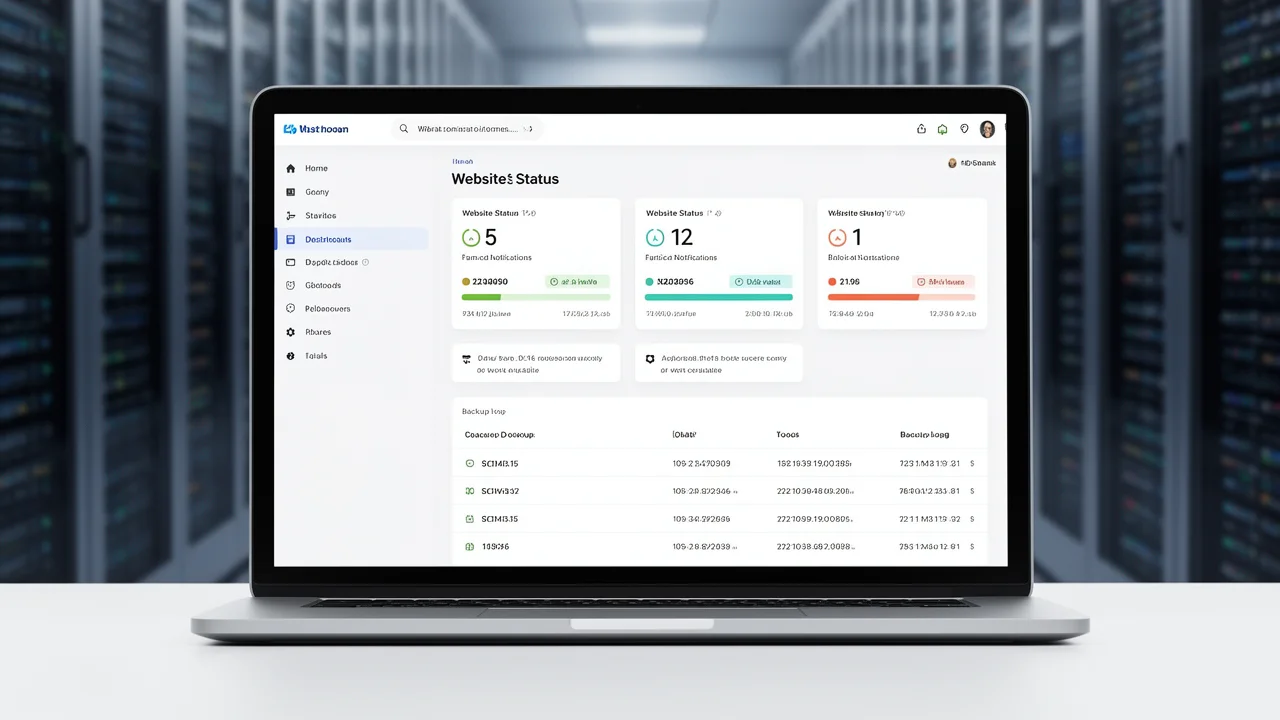
Website management solutions are specialized software platforms designed to centrally control and maintain multiple websites within a Private Blog Network (PBN). Unlike managing sites individually, these tools provide a unified dashboard to handle critical tasks like WordPress core updates, plugin/theme management, security hardening, performance monitoring, and automated backups across your entire network. For PBN operators, this centralized approach is essential for maintaining site health, ensuring consistency, and preventing footprints that could reveal the interconnected nature of the network. A robust management solution turns the daunting task of maintaining dozens or hundreds of sites into a streamlined, efficient process.
Why PBNs Need Specialized Management Tools
Managing a PBN manually is impractical and risky. Each site requires regular updates to WordPress, plugins, and themes to patch security vulnerabilities. Without automation, this can consume 20-30 hours per week for a medium-sized network. More critically, inconsistent updates or neglected sites create security holes, increasing the risk of hacking, malware injection, and Google penalties—which can destroy your entire network’s value. Specialized management solutions address these PBN-specific needs: they allow bulk actions, maintain unique configurations per site to avoid footprints, and provide centralized logging to track the health of every property in your portfolio. Integrating these tools with your PBN hosting infrastructure is a foundational step for network stability.
Key Features of PBN Management Platforms
When evaluating website management solutions, look for these core features essential for PBN success:
- Bulk Updates & Management: Apply WordPress core, plugin, and theme updates to all sites or selected groups with one click. 2. Centralized Security: Implement firewall rules, malware scanning, and login hardening (like 2FA) across the network from a single panel. 3. Automated Backups: Schedule and store encrypted backups off-site (e.g., Amazon S3, Google Cloud) with one-click restoration. 4. Uptime & Performance Monitoring: Receive instant alerts if any site goes down or experiences severe slowdowns. 5. Client Reporting (Optional): Generate white-label reports if you manage PBNs for clients, adding a professional layer. 6. SSH & WP-CLI Integration: For advanced users, direct server access to run commands or scripts across multiple sites.
These features collectively reduce manual workload by over 80% and are a critical component discussed in our complete guide to private blog networks.
How to Integrate Management with Your PBN Setup
Integration is a multi-step process that begins with your hosting architecture. First, ensure your hosting setup uses isolated cPanel accounts or VPS servers to maintain IP diversity. The management software agent must be installed on each server or website. Most solutions offer one-click installers or SSH scripts for this. Once connected, you can organize sites into groups (e.g., by niche, authority tier, or client). Configure automated update policies—perhaps delaying major WordPress releases by a week to check for bugs, while applying critical security patches immediately. Set up backup schedules to run during low-traffic hours. Finally, integrate monitoring with notification channels like Slack, email, or SMS. This systematic approach dovetails with broader WordPress security for PBNs best practices.
Top Recommended Management Solutions
Several platforms excel in PBN management. MainWP is a popular, self-hosted WordPress plugin that offers extensive free functionality with premium extensions. ManageWP (by GoDaddy) is a robust cloud-based service with excellent one-click backup and update features. InfiniteWP is another self-hosted favorite for its speed and control over a large number of sites. cPanel/WHM itself can be used for basic bulk management if all sites are on the same server cluster, though it offers less WordPress-specific granularity. The choice often comes down to budget, technical comfort, and network size. A cloud service like ManageWP is easier for beginners, while a self-hosted tool like MainWP offers more control and lower long-term costs for large networks. Remember, the tool is only as good as your hosting infrastructure and security practices.